
Key Takeaways
- A solid custom fence installation guide PA homeowners follow starts with property surveys and permits.
- Pennsylvania’s climate demands materials like pressure-treated wood, vinyl, or aluminum to resist freeze-thaw cycles.
- Costs vary significantly based on fence type, linear footage, and labor rates by county.
- Always call PA One Call (811) before digging to locate underground utilities.
- HOA rules and local zoning ordinances may restrict fence height, style, or placement.
- Hiring a licensed contractor versus DIY each carries distinct trade-offs in cost, time, and quality.
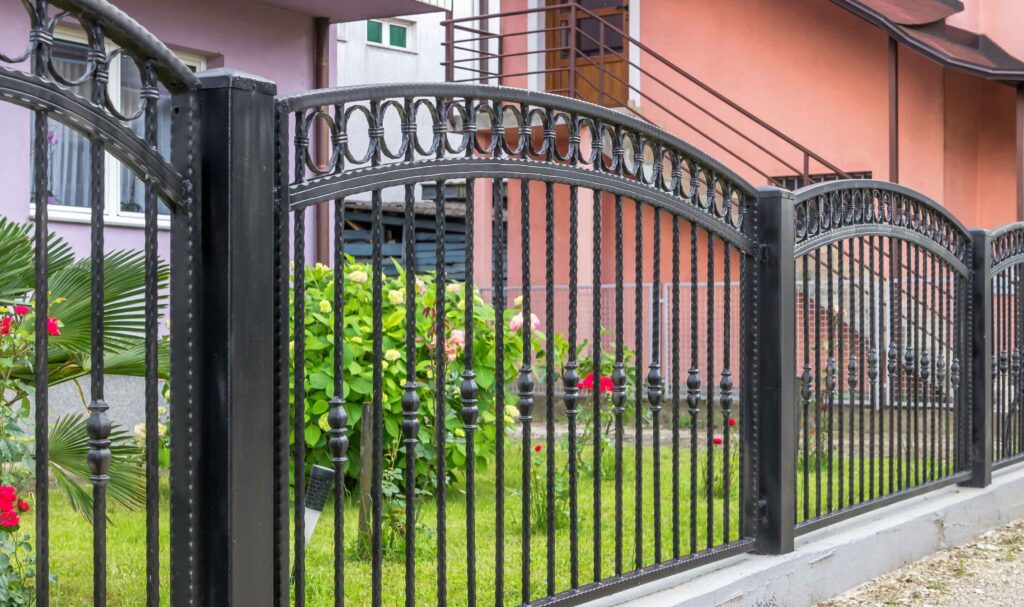
Why Fence Installation in Pennsylvania Deserves Careful Planning
Putting up a fence sounds straightforward until you’re standing in your yard with a post-hole digger and a notice from your township. Pennsylvania is a state of varied landscapes — dense Philadelphia suburbs, rural Lancaster farmland, mountain terrain in the Poconos — and each region brings its own soil conditions, frost depths, and local codes that directly affect how a fence is built and what materials hold up over time.
This custom fence installation guide PA edition walks you through every phase: property prep and permits, material selection, step-by-step installation, cost comparisons, and the questions most homeowners wish they had asked before the first post went in the ground.
Whether you’re fencing in a backyard in Bucks County, adding privacy along a Pittsburgh row home, or securing acreage in Berks County, the fundamentals are the same — and getting them right from the start saves significant time and money.
Step 1: Know Your Property Before You Build
Survey Your Lot Lines First
Installing a fence on the wrong side of a property line is one of the most common — and expensive — mistakes PA homeowners make. Before purchasing a single post, locate your property survey. If you don’t have one on file, contact your county recorder’s office or hire a licensed surveyor through the Pennsylvania Society of Land Surveyors.
Even a few inches over the line can result in a legal dispute with a neighbor or a costly removal order. This step is non-negotiable.
Check Easements and Right-of-Ways
Many Pennsylvania properties have utility easements running through them — especially in older suburban developments. These easements legally restrict permanent structures, including fences. Review your deed or contact your municipality’s zoning office to identify any restrictions before you plan your fence layout.
Step 2: Navigate Pennsylvania Permits and Local Codes
Most Pennsylvania municipalities require a building permit for fence installation, particularly for fences over a certain height — typically four feet in front yards and six feet in rear yards, though this varies by township.
Where to check:
- Your local township or borough office
- Pennsylvania’s Uniform Construction Code (UCC), administered by the Department of Labor & Industry
- Homeowners Association (HOA) covenants, if applicable
If your property is in a historic district — common in Philadelphia, Lancaster, or Gettysburg — additional review and approval may be required from a local historic preservation board.
Important: Call 811 (Pennsylvania One Call System) at least three business days before digging any fence posts. This is required by Pennsylvania law and ensures underground gas, water, and electric lines are marked.
Step 3: Choose the Right Fence Material for Pennsylvania’s Climate
Pennsylvania sits in USDA Hardiness Zones 5b through 7a. Winters bring hard freezes, and the freeze-thaw cycle is the single biggest enemy of fence post integrity. Material selection must account for ground movement, moisture, and UV exposure.
Fence Material Comparison Table
| Material | Lifespan | Maintenance | Best For | Avg. Cost per Linear Foot (Installed) |
|---|---|---|---|---|
| Pressure-Treated Wood | 15–25 years | Moderate (staining/sealing) | Privacy, traditional look | $20–$45 |
| Vinyl (PVC) | 25–40 years | Low | Suburban privacy, low upkeep | $25–$60 |
| Aluminum | 30–50 years | Very low | Ornamental, pool enclosures | $30–$65 |
| Chain Link | 20–30 years | Low | Pets, security, utility | $10–$25 |
| Wood Split Rail | 10–20 years | Low-moderate | Rural, decorative | $12–$25 |
| Composite | 20–30 years | Low | Eco-conscious buyers | $35–$70 |
Cost estimates are approximate and vary by region, labor rates, and project complexity.
If you need maximum privacy and a natural look, pressure-treated wood or composite is your best choice. If you need minimal upkeep over decades, aluminum or vinyl will outlast nearly anything with little more than an occasional rinse. If you’re still deciding between materials, see our detailed pros and cons breakdown.
Step 4: Plan Your Fence Layout and Gather Materials
Layout Planning Checklist
- Mark all property corners with stakes and string lines.
- Decide on gate placement — consider traffic flow and latch side.
- Calculate linear footage and add 10% for waste.
- Determine post spacing (typically 6–8 feet on center, depending on material).
- Account for grade changes — stepped or racked fencing may be needed on slopes.
Materials You’ll Need (Standard Wood Privacy Fence)
- Pressure-treated 4×4 posts (length = fence height + 2 feet for burial depth)
- Pressure-treated 2×4 rails
- 1×6 or dog-ear pickets
- Post-hole concrete mix (fast-setting recommended)
- Exterior wood screws or nails
- Gravel for post drainage
- String line, level, measuring tape, and post-hole digger or power auger
Step 5: The Installation Process — Step by Step
- Mark post locations using your string line, measuring post intervals consistently.
- Dig post holes to a depth of at least 36–42 inches in Pennsylvania (below the frost line, which reaches 30–36 inches in most of the state).
- Add 4–6 inches of gravel to the bottom of each hole for drainage.
- Set posts in concrete, checking for plumb (vertical level) on two sides before the concrete sets.
- Allow concrete to cure for at least 24–48 hours before attaching any rails or panels.
- Attach horizontal rails at top, middle, and bottom between posts.
- Hang pickets or panels, spacing evenly and checking for level as you go.
- Install gates, shimming as needed for proper swing clearance.
- Apply sealant or stain (for wood fences) within 30 days of installation to protect against moisture.
Pros and Cons of DIY vs. Hiring a Professional
DIY Fence Installation
Pros:
- Lower upfront cost (labor represents 30–50% of total project cost)
- Full control over scheduling and execution
- Satisfying for experienced DIYers
Cons:
- Time-intensive — a 100-foot fence can take a weekend or more
- Mistakes in post setting, alignment, or depth are costly to fix
- Permit filing and inspection coordination falls entirely on you
- No warranty on workmanship
Hiring a Licensed PA Fence Contractor
Pros:
- Opting for professional installation ensures experienced crews complete work faster with professional tools
- Contractor handles permit filings in many cases
- Workmanship warranties are common
- Liability insurance protects you if damage occurs
Cons:
- Higher total cost
- Less control over scheduling
- Quality varies — vetting is essential
Do’s and Don’ts of Custom Fence Installation in PA
DO:
- Call 811 before digging — every time, no exceptions
- Pull the required permits from your municipality
- Set posts below the frost line (36–42 inches minimum)
- Use gravel at the base of post holes to improve drainage
- Review your HOA covenants and deed restrictions before purchasing materials
- Get at least three written quotes if hiring a contractor
DON’T:
- Assume your neighbor’s fence marks the property line
- Skip the property survey to save money upfront
- Use non-pressure-treated lumber in ground contact
- Set posts in solid concrete without drainage — frost heave will push them up
- Install a fence without informing neighboring property owners
A Homeowner in Chester County
A homeowner in West Chester, PA wanted to install a 6-foot privacy fence along the rear 120 linear feet of their property. After pulling their deed and confirming the lot survey, they discovered an 8-foot utility easement along the back boundary. By shifting the fence line 8 feet inward, they avoided what would have been a forced removal. They obtained a permit from West Chester Borough, called 811, and hired a local fencing contractor who completed the project in two days. The total cost came to approximately $5,400 for a vinyl privacy fence — within the typical range for Chester County.
The lesson: property prep and permit work, though not glamorous, is where this project was actually won.
FAQ
Q: Do I need a permit to install a fence in Pennsylvania?
A: Most PA municipalities require a permit for fences over four feet in front yards or six feet in rear yards. Always check with your local township or borough before starting.
Q: How deep should fence posts be set in Pennsylvania?
A: Posts should be set at least 36–42 inches deep in most parts of Pennsylvania to extend below the frost line and prevent frost heave.
Q: Can my neighbor object to my fence in PA?
A: Neighbors cannot legally block a fence on your property, but good communication helps avoid disputes. Review local ordinances — some require notification before installation.
Q: What is the best fence material for Pennsylvania winters?
A: Vinyl, aluminum, and pressure-treated wood all perform well in PA’s freeze-thaw climate. Vinyl requires the least maintenance; pressure-treated wood offers the most traditional aesthetic.
Q: How long does fence installation take?
A: A professional crew can typically install 100–150 linear feet in one to two days. DIY projects for the same scope often take a full weekend or longer.
Q: What is PA One Call (811)?
A: It’s a free, legally required service that marks underground utility lines before you dig. Call at least three business days before starting any excavation.
Q: Can I install a fence on a slope?
A: Yes. Sloped yards require either a stepped fence (panels drop in sections) or a racked fence (panels follow the slope angle). Both are common in Pennsylvania’s hilly terrain.
Q: How much does custom fence installation cost in Pennsylvania?
A: Costs vary widely by material, linear footage, and county. General ranges run from $10–$25 per linear foot for chain link to $50–$70+ for composite or high-end vinyl, installed.
Q: What is the lifespan of a wood fence in PA?
A: With proper sealing and maintenance, pressure-treated wood fences typically last 15–25 years in Pennsylvania’s climate.
Q: Do HOAs regulate fence installation in PA?
A: Yes. Many HOAs restrict fence height, color, material, and placement. Always review your HOA documents before applying for a permit or purchasing materials.
Glossary of Terms
Frost Line:
The depth at which groundwater in soil freezes during winter. In Pennsylvania, this ranges from approximately 30 to 36 inches depending on the region. Posts must be set below this depth to prevent frost heave.
Frost Heave:
The upward movement of soil caused by the expansion of water as it freezes. Fence posts not buried below the frost line are highly susceptible to being pushed up and out of alignment over time.
Easement:
A legal right granted to a third party (such as a utility company) to use a portion of your property for a specific purpose. Fences and other permanent structures typically cannot be placed within an easement area.
Pennsylvania Uniform Construction Code (UCC):
The statewide building code that governs residential construction in Pennsylvania, administered by the Department of Labor & Industry. Local municipalities adopt and enforce the UCC, sometimes with additional amendments.

Conclusion
A custom fence is one of the most permanent improvements you can make to a Pennsylvania property. Done right, it adds privacy, security, curb appeal, and real market value. Done wrong — with posts set too shallow, permits skipped, or property lines guessed at — it creates legal headaches, structural failures, and costs that dwarf what the shortcuts saved.
This custom fence installation guide PA homeowners can rely on covers the full picture: property research, permitting, material selection for the climate, step-by-step installation, and the honest trade-offs between DIY and professional installation.
Ready to move forward? Start with your property survey and a call to your local township office. Once you know your property lines and permit requirements, every other decision becomes much easier to make. If you’re hiring a contractor, use this guide to ask the right questions and hold their work to a clear standard.