
If you are weighing vinyl fence installation for your Bucks County home, you are probably asking three questions: what will it cost, how long will it last, and is it really better than wood? This guide answers all three in plain language.
We will walk through how vinyl fencing performs in Pennsylvania’s climate, what drives the price of custom vinyl fencing in Bucks County PA, the honest pros and cons, and how the installation process actually works from permit to final walkthrough. By the end, you will know whether vinyl is the right fit for your property and how to hire the right contractor for the job.
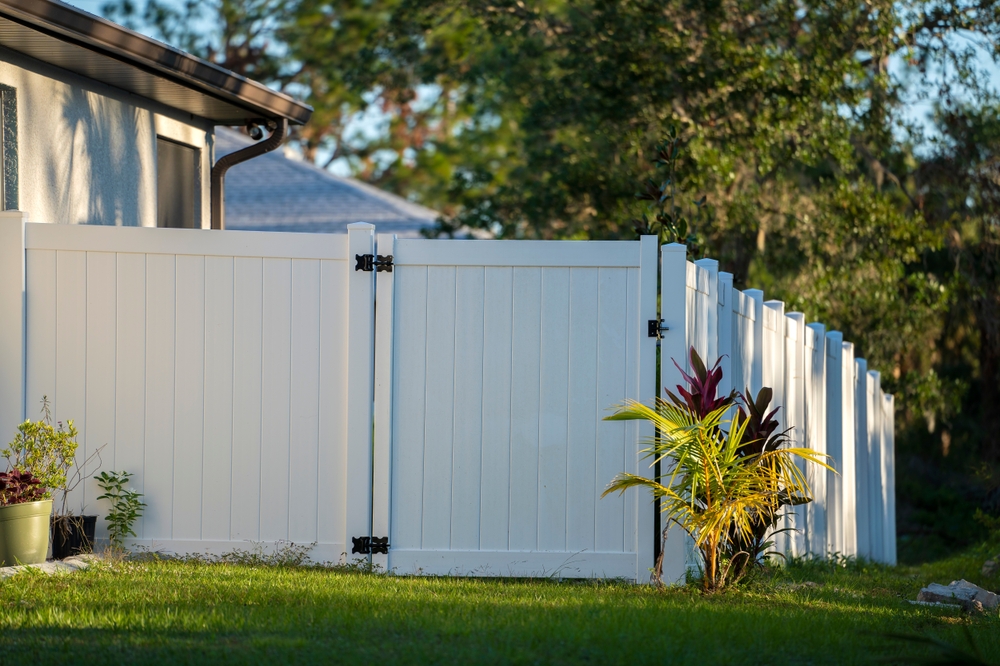
Key Takeaways
- Vinyl fence installation typically costs more upfront than wood but less over its lifespan
- Vinyl never needs painting, staining, or sealing, only occasional cleaning with soap and water
- Pennsylvania’s freeze-thaw cycles make proper post depth and footing critical in Bucks County
- Custom vinyl fencing comes in privacy, semi-privacy, picket, and ranch rail styles
- Always confirm your township’s permit and setback rules before installation begins
- Professional installation protects your manufacturer warranty and prevents costly leaning or sagging
Why Vinyl Fencing Works Well in Bucks County
Bucks County weather is tough on fences. Humid summers encourage rot and mildew in wood. Winters bring freeze-thaw cycles that heave shallow posts out of the ground. PVC fencing, also called PVC fencing, handles both extremes better than most materials.
Vinyl does not rot, warp, or attract insects. It will not absorb moisture the way wood does, which is why it holds up through wet springs along the Delaware River corridor and icy winters in Upper Bucks alike. Quality vinyl is also formulated with UV inhibitors, so it resists the yellowing and brittleness that plagued early-generation products.
The one climate caveat: vinyl becomes less flexible in extreme cold. A hard impact from a snowblower or falling branch in January is more likely to crack a panel than the same impact in July. That is a repair consideration, not a dealbreaker, since individual panels and rails can be replaced without rebuilding the fence.
Vinyl Fence Pros and Cons
Every material involves trade-offs. Here is the honest picture.
Pros:
- Virtually maintenance-free, no painting, staining, or sealing ever
- Long lifespan, often several decades with quality material
- Resistant to rot, insects, moisture, and rust
- Wide range of styles and colors for custom vinyl fencing
- Strong manufacturer warranties, often limited lifetime coverage
- Cleans up with a garden hose and mild soap
Cons:
- Higher upfront cost than pressure-treated wood
- Can crack under hard impact in very cold weather
- Color cannot be changed later by painting
- Lower-grade vinyl may sag, fade, or look “plasticky”
- Repairs require matching panels from the same manufacturer line
- Not a natural material, which matters to some homeowners aesthetically
If you plan to stay in your home ten years or more, vinyl usually wins on total cost of ownership because you skip decades of staining and board replacement. If you need the lowest possible price today and do not mind ongoing upkeep, traditional wood fencing remains the budget option.
Vinyl vs. Wood vs. Aluminum: Quick Comparison
| Factor | Vinyl (PVC) | Wood | Aluminum |
|---|---|---|---|
| Upfront cost | Moderate to high | Low to moderate | Moderate to high |
| Maintenance | Minimal, occasional washing | Regular staining/sealing | Minimal |
| Lifespan | Decades | 10 to 20 years with upkeep | Decades |
| Privacy options | Excellent | Excellent | Limited (open pickets) |
| Cold-weather durability | Good, brittle on impact | Good | Excellent |
| Insect/rot resistance | Complete | Vulnerable | Complete |
| Repairability | Panel replacement | Board replacement | Section replacement |
If your priority is full privacy for a backyard or pool area, vinyl privacy fence installation is the strongest option in this lineup. If you mainly need pool code compliance with visibility, aluminum fencing deserves a look.
What Vinyl Fence Installation Costs in Bucks County
Vinyl fence cost in Bucks County depends on several factors rather than one flat number. Contractors typically price by the linear foot, and quotes vary based on:
- Fence style and height. A six-foot privacy fence uses far more material than a four-foot picket fence, so it costs more per foot.
- Material grade. Thicker-walled, virgin vinyl with aluminum-reinforced bottom rails costs more than thin builder-grade product, and it shows in longevity.
- Terrain. Sloped yards require stepped or racked panels, which add labor. Rocky soil, common in parts of Upper Bucks, slows post hole digging.
- Gates. Each walk gate or drive gate adds material, hardware, and labor.
- Tear-out. Removing and hauling away an old fence adds to the project cost.
- Custom features. Lattice tops, decorative post caps, mixed colors, and curved runs all increase the vinyl fence installation cost.
As a general guide, many homeowners find that a professionally installed vinyl fence runs noticeably more per foot than wood upfront, but industry experts consistently note that lifetime cost favors vinyl once you factor in decades of avoided maintenance. For an accurate number, use our online cost calculator or get itemized quotes from at least two or three fence contractors in Bucks County and compare material specs line by line, not just the bottom-line price.
How Professional Vinyl Fence Installation Works: Step by Step
A quality installation follows a predictable sequence. Knowing it helps you evaluate whether a contractor is cutting corners.
- Property assessment and layout. The contractor confirms property lines, marks the fence path, and identifies slopes or obstacles. Never skip a property line verification; fences built over the line create expensive disputes.
- Permits and utility marking. Most Bucks County townships require a fence permit and have setback and height rules. Pennsylvania law also requires calling 811 before digging so utility lines get marked.
- Post hole digging. Holes are dug below the local frost line so freeze-thaw cycles cannot heave the posts. This is the single most important step for a fence that stays straight for decades.
- Setting posts in concrete. Posts are set plumb in concrete footings and allowed to cure. Rushing this step causes leaning fences within a few seasons.
- Installing rails and panels. Horizontal rails lock into routed posts, then panels or pickets are fitted. On slopes, panels are stepped or racked to follow the grade.
- Hanging gates and hardware. Gates are hung with self-closing hinges where required, such as around pools, and latches are aligned and tested.
- Final walkthrough and cleanup. The crew removes debris, and you inspect every panel, post cap, and gate before signing off.
Do and Don’t: Getting the Best Result
Do:
- Verify your contractor is insured and ask for local references
- Confirm your township’s fence permit requirements first
- Ask what wall thickness and reinforcement the vinyl includes
- Get the manufacturer warranty terms in writing
- Talk with neighbors before installing along a shared boundary
Don’t:
- Choose a quote solely on price without comparing material grade
- Allow posts to be set above the frost line to save time
- Assume every white fence is the same quality product
- Skip the 811 utility locate call before any digging
- Pressure wash vinyl at close range, since high pressure can damage the surface
Real-World Example (Hypothetical)
A homeowner in Doylestown wants a six-foot white vinyl privacy fence around a backyard with a moderate slope and one walk gate. The first quote is the cheapest but specifies thin-walled panels and posts set only two feet deep. The second quote costs more, but includes heavy-wall vinyl, aluminum-reinforced bottom rails, posts set below the frost line in concrete, and a transferable warranty.
The homeowner chooses the second contractor. Three winters later, the fence is still straight and true, while a neighbor’s budget install has visibly leaning posts. The lesson: with PVC fence installation in Bucks County, the spec sheet matters as much as the price.
Quick Answers: Vinyl Fence FAQ
How long does a vinyl fence last?
A: Quality vinyl fencing commonly lasts several decades. Many manufacturers back their product with limited lifetime warranties, which reflects that expected lifespan.
Is vinyl fencing cheaper than wood?
A: Not upfront. Vinyl costs more to install, but it usually costs less over its lifetime because it never needs staining, sealing, or board replacement.
Do I need a permit for a fence in Bucks County?
A: Most townships in Bucks County require a fence permit and enforce height and setback rules. Check with your specific township before scheduling installation.
Can a vinyl fence be installed in winter?
A: Yes, as long as the ground is workable and concrete can cure properly. Reputable fence contractors in Bucks County install year-round with weather adjustments.
Does vinyl fencing fade or yellow?
A: Modern vinyl includes UV inhibitors that resist fading and yellowing. Cheap, thin-walled product is more prone to discoloration over time.
Can you paint a vinyl fence?
A: Painting vinyl is not recommended. Paint adheres poorly, voids most warranties, and defeats the low-maintenance purpose of the material.
How do I clean a vinyl fence?
A: Rinse with a garden hose and wash occasionally with mild soap and water. Avoid harsh solvents and close-range pressure washing.
Is vinyl fencing good for pools?
A: Yes. Vinyl privacy fence installation is popular around pools because it meets height requirements, resists moisture, and pairs well with self-closing gate hardware.
Glossary of Terms
- PVC (Polyvinyl Chloride): The plastic material vinyl fencing is made from. “Vinyl fence” and “PVC fence” refer to the same product.
- Frost Line: The depth to which ground freezes in winter. Fence posts must be set below it to prevent heaving.
- Racked Panel: A fence panel built to follow a slope at an angle instead of stepping down in level sections.
- Setback: The minimum distance a fence must be placed from a property line or road, set by township zoning rules.

Conclusion
Vinyl fence installation is one of the strongest long-term investments a Bucks County homeowner can make in their property. You pay more on day one than you would for wood, but you get decades of straight, clean, maintenance-free fencing in return, with no weekends lost to staining and no rotted boards to replace.
The keys to a great result are simple: choose heavy-wall, reinforced vinyl, insist on posts set below the frost line, confirm your township’s rules, and hire an experienced local installer who will put the full spec in writing.
Ready to see what custom vinyl fencing would look like on your property? Request a free on-site estimate today and get a detailed, no-pressure quote for your yard.