
Few fence questions cause more stress than "whose line is that, exactly?" A fence set a foot into a neighbor's yard, or one that ignores a township setback, can turn a straightforward project into a dispute that outlasts the fence itself. Sorting out the property line and the rules that apply to it is a planning step, not an afterthought, and it belongs near the start of the process rather than after posts are already in the ground.
This guide covers how Pennsylvania homeowners typically approach property lines, surveys, setbacks, and neighbor conversations before a new fence goes in. It is general information, not legal advice. Boundary law can turn on the specific deed, prior surveys, and history of a particular property, so a property-specific question should go to a surveyor or attorney.
Why the Property Line Matters Before You Build
A fence placed on or near a property line affects more than the two yards it touches. It can interact with easements, utility access, drainage, and whatever your township or homeowners association requires for setbacks near a boundary. Building first and sorting out the line later tends to be more expensive and more stressful than confirming the line up front, especially if a fence ends up needing to move.
A fence installation plan should treat the property line as a known, confirmed input rather than a guess based on an old fence, a row of trees, or where the lawn happens to change color.
Finding Your Property Line
A deed describes your property's legal boundary, but a deed description alone does not tell you where that line sits on the ground. Three common starting points are:
- An existing survey. If your property was surveyed when you purchased it, or at any point since, that survey plan is the most direct source for your boundary location and any recorded monuments or pins.
- County GIS parcel viewers. Many Pennsylvania counties publish online mapping tools. Bucks County's parcel data is available through the Bucks County GIS Open Data Portal, and Montgomery County maintains its own parcel and mapping resources. These tools are useful for a general sense of where a line runs, but the data is a reference layer, not a legal survey.
- A new survey. If there is no recent survey, or the existing one is unclear, a surveyor can locate and mark the actual boundary. This is the only way to get a legally reliable line rather than an approximation.
Property corner pins, when they exist, are usually short iron or capped rods set at the corners of a lot. If you find something that looks like a marker, treat it as a clue rather than a confirmed boundary until it is checked against a survey.
Setbacks: Township and HOA Rules
Even once you know where the line is, many municipalities require a fence to sit some distance inside it rather than directly on it, and some allow a fence on the line itself. Requirements vary by township, by zoning district, and sometimes by fence height or style. If your property is part of a homeowners association, there may be additional rules on top of whatever the township requires.
These setback rules are usually part of the same review that covers permits. If you have not already looked into whether your project needs a permit, that is a good companion step to a property line check, since many of these approvals are confirmed together. Homeowners in Bucks County can also review this overview of permit requirements for fences in Bucks County as a starting point before contacting the township directly.
Fences Built On or Near the Line
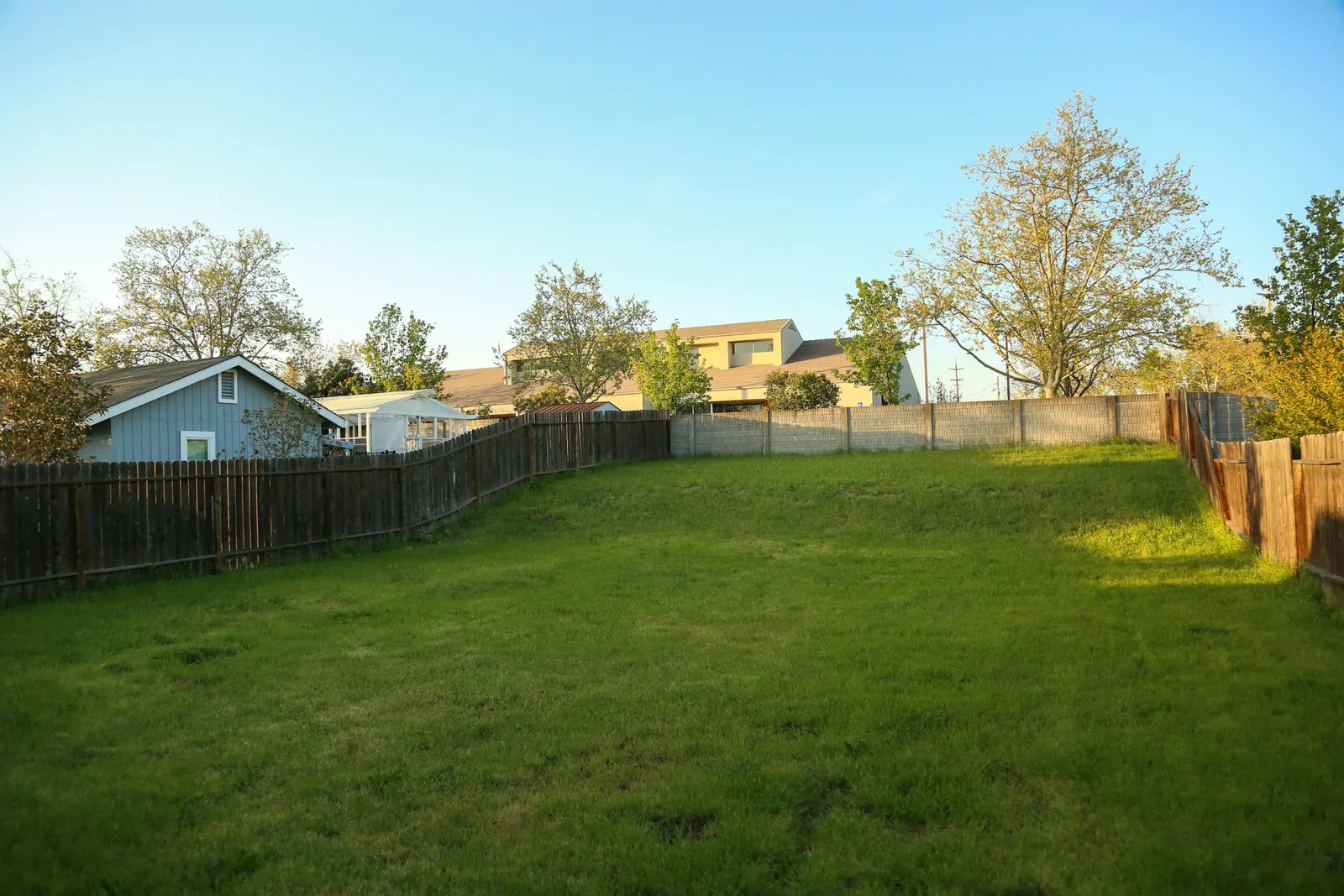
A fence built directly on a shared boundary sits on both properties at once, which is part of why many homeowners choose to set a new fence a short distance inside their own line instead. Keeping the posts and footings entirely on your own side simplifies maintenance and access, since you are not required to step onto a neighbor's property to work on your own fence.
This is also where style choices come into play. A "good neighbor" style fence, built so that the framework is not the only side visible from the neighboring yard, is a common approach along a shared boundary. If you are still comparing options for the fence itself, this guide to choosing the right custom fence covers style considerations that work well for a boundary-line project.
Talking to Your Neighbor Before You Build
Pennsylvania does not require a shared boundary fence to be split in cost between neighbors, and a neighbor generally has no obligation to help pay for or maintain a fence you decide to build on your own property. That said, a short conversation before construction starts can prevent a disagreement later, particularly around where the fence will sit relative to the line, which side will face which yard, and whether any existing landscaping or structures are affected.
If your neighbor has a different understanding of where the line runs, that is worth resolving before anyone digs, not after.
When to Get a Survey
A new survey is the most reliable way to confirm a boundary, and it is worth the cost when:
- there is no existing survey, or the one on file is old or unclear;
- a neighbor disagrees with where you believe the line sits;
- an old fence, hedge, or other feature does not match the deed description; or
- you are planning a fence close enough to the line that a small error could put it on the wrong side.
A surveyor's findings carry legal weight that a GIS viewer or an old fence line simply does not.
Boundary Disputes and Long-Term Fences
Pennsylvania property law can, in some circumstances, recognize a long-standing physical boundary, such as a fence that both neighbors have treated as the property line for many years, even when it differs slightly from the recorded deed line. Whether that applies to a specific situation depends on the history of the properties involved and is a legal question rather than a general rule, so it is not something to assume applies to your property without advice specific to your situation.
If you are dealing with an existing disputed boundary rather than planning a new fence, a conversation with a surveyor and, if needed, an attorney is the appropriate next step before any new construction.
Planning Your New Fence With the Line Confirmed
Once you know where your property line sits and what your township requires near it, the rest of the planning process (material, height, gate placement, and layout) can move forward with confidence that the fence will stay where you put it. Garrido Fences serves towns across the service area, including Doylestown in Bucks County and Norristown in Montgomery County, where many of these same township and county procedures apply.
Request a Property-Specific Fence Estimate
A confirmed property line makes every later decision easier, from layout to permits to the final installation. Contact Garrido Fences to request a free estimate once you know where your line sits, or to talk through how boundary and setback questions apply to your property.