
A fence post that looks perfectly set in October can lean, heave, or crack its footing by the following spring. The usual cause is not bad luck. It is a post that was not set deep enough, or wide enough, to handle how the surrounding soil behaves once the ground freezes and thaws.
Pennsylvania homeowners planning a new fence often ask one version of the same question: how deep does a fence post actually need to go? The honest answer is that depth depends on the frost line in your area, the soil on your property, the height and material of the fence, and the footing method used. A sloped lot or a run of tall gates can change the answer further. Understanding the basics before you dig helps you avoid a fence that needs to be reset within a few seasons.
Why Frost Line Depth Matters for Fence Posts
The frost line is the depth to which the ground typically freezes in winter. Above that depth, soil moisture can freeze and thaw repeatedly through the cold months. Below it, ground temperature stays more stable.
That freeze-thaw cycle is the reason frost depth matters for a fence post. Water in the soil expands when it freezes. In fine-grained or poorly drained soil, that expansion can lift whatever sits above it, including a post footing that does not reach stable ground. Engineers and builders call this effect frost heave, and it is a routine consideration for any structure set into the ground in a cold-winter climate, not just fences.
Pennsylvania sits in a climate where seasonal ground freezing is a normal part of winter, though the depth and duration vary across the state and from year to year. Penn State's Housing Research Center has published engineering guidance on frost-protected shallow foundations that explains how frost depth is used in foundation design across different Pennsylvania climate conditions. A fence post is a much smaller structure than a house foundation, but the same underlying freeze-thaw mechanics apply.
How Frost Heave Moves a Fence Post
Frost heave does not act on every post the same way. A few conditions make it more likely:
- Shallow footings. A post set only a few inches below grade has little soil resistance holding it in place once the surrounding ground starts to move.
- Wet, fine-grained soil. Clay and silt hold more water than sandy or gravelly soil, so they are more prone to heaving.
- Poor drainage around the post. Water that collects and refreezes near a footing repeats the freeze-thaw cycle in the same spot every winter.
- Inconsistent footing shapes. A straight-sided column of concrete can be gripped and pushed upward by frozen soil more easily than a footing with a wider base below the frost line.
Over several winters, these conditions can show up as a post that tilts, a gate that no longer closes squarely, or a visible gap opening between a post and an otherwise straight fence line.
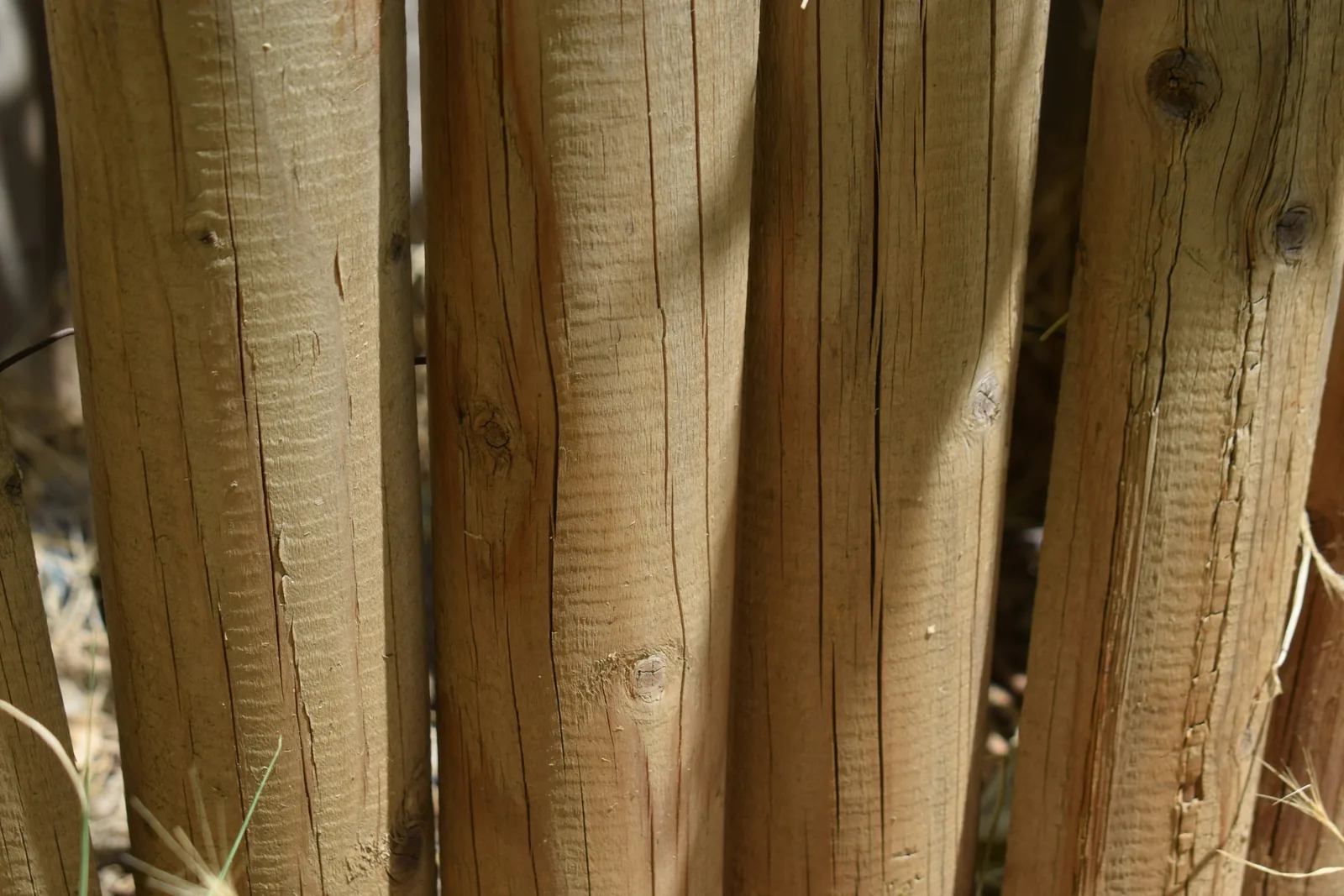
Typical Post Depth Guidance
A commonly used rule of thumb is to set a post about one-third of its total length into the ground, with a minimum depth that still clears the local frost line. In practice, that means the footing bottom should sit at or below the frost depth for your area, not just at whatever depth feels adequate for the fence height.
Exact frost depth figures vary by location, elevation, and the specific winter, which is part of why Bucks County, Montgomery County, and the Lehigh Valley do not all share one single number. Rather than relying on a figure from a general online chart, it is worth checking with your local building or zoning office, or an installer familiar with the area, for the depth guidance used in your township. A fence installation plan should confirm the footing depth before any holes are dug, along with hole width, gravel base, and concrete design.
How Post Depth Needs Change by Material
Frost depth guidance is a starting point, but the right footing also depends on what the fence is made of and how it is engineered.
- Wood fences rely on buried posts for most of their structural support, so footing depth and a solid gravel base matter directly to how long the fence stays straight. See how wood framing and posts come together on Garrido's wood fencing page.
- Aluminum and wrought iron fences often use lighter panels on engineered post systems, but the posts still need to be anchored below the frost line to keep the whole line from shifting as a unit.
- Vinyl fences use hollow posts that are typically filled with concrete, and the footing underneath that concrete still needs to reach stable soil.
If you are comparing materials for a new project, this breakdown of wood vs. vinyl vs. metal fencing covers how each option is built and maintained, which ties directly into how its posts are set.
Soil, Drainage, and Footing Design
Depth is only part of the equation. A footing also needs to manage water movement around it. Many fence installers use a layer of gravel at the bottom of the hole to improve drainage before pouring concrete, and shape the concrete with a wider base than top so that frozen soil has less to grip on the way up. Grading that directs water away from the post, rather than letting it pool at the base, reduces how much freeze-thaw cycling that specific spot experiences each winter.
If your yard has uneven terrain, footing depth is not the only variable in play. A sloped yard changes how posts, panels, and gates need to be planned together, and it is worth reading that alongside any frost depth planning for a property with meaningful grade change.
Before You Dig: Call 811
Pennsylvania law requires anyone digging, including for fence post holes, to contact the state's utility notification system before breaking ground. PA One Call coordinates with utility companies to mark buried lines so that a post hole, auger, or footing excavation does not strike a gas, electric, or communication line. This step applies regardless of how deep a given post needs to go, and it should happen several business days before digging starts.
How Frost Depth Affects Installation Timing
Frost depth planning is also a scheduling question. Digging through frozen ground is harder, slower, and in some conditions impractical with standard equipment, which is one reason installation timelines can shift in the coldest months. If you are trying to plan around the calendar, this fence installation timeline guide walks through the factors that affect how long a project takes from planning to finished fence.
Permits are a separate but related step. Many townships require a permit before fence work begins, and that process can also touch on setback and footing questions. Review whether your project needs a permit early in your planning so that frost depth, permitting, and scheduling are not addressed one at a time.
Planning Ahead for Your Project
Frost line depth is not something a homeowner needs to calculate alone. It is one input, alongside soil conditions, slope, material, and local code, that a qualified installer accounts for when planning footings. Penn State's Soil Climate Analysis Network, maintained with the USDA's Soil Climate Analysis Network monitoring stations, is one example of the kind of regional soil and temperature data that engineers and researchers use to understand how ground conditions vary across a state like Pennsylvania.
If you are budgeting for a new fence, the fence cost calculator can help you think through material and layout choices before you request a property-specific estimate.
Request a Property-Specific Fence Estimate
Frost depth, soil type, slope, and material all affect how a fence should be set, and those factors are specific to your property rather than a single statewide number. Contact Garrido Fences to request a free estimate and a footing plan based on the actual conditions where your fence will go.