
A vinyl fence needs less routine upkeep than many painted or stained materials, but low maintenance does not mean no maintenance. Soil splashes, pollen, grass clippings, algae, and debris can collect on the surface. Gates can drift out of alignment. Branches, lawn equipment, and changing ground conditions can also damage posts, rails, or panels.
A simple vinyl fence maintenance routine helps you keep the fence clean while catching small problems before they affect a larger section. The best approach is gentle: start with water and mild cleaning, inspect the full fence line, and avoid forcing a panel or gate that has moved out of position.
What You Need to Clean a Vinyl Fence
For routine cleaning, gather a garden hose, bucket, soft-bristle brush or nonabrasive sponge, microfiber cloths, and a mild household soap. Wear gloves when the cleaner label recommends them. Keep clean water nearby so you can rinse each section before any solution dries on the surface.
If you want help comparing household cleaners, the EPA Safer Choice label identifies products whose ingredients have been reviewed against the program's safety criteria. A product carrying that label is not automatically suitable for every fence, so read both the cleaner directions and any care instructions from the fence manufacturer.
Avoid starting with abrasive pads, stiff wire brushes, or an untested concentrated cleaner. Those choices can scratch the finish or create uneven-looking areas. Test any new product on a small, inconspicuous section first, especially on colored or wood-grain vinyl.
How to Clean a Vinyl Fence Step by Step
Routine cleaning usually works best when you move in manageable sections:
- Clear the fence line. Move planters, toys, hoses, and loose debris away from the panels. Trim back plants enough to reach the surface without bending or pulling on them.
- Rinse from the top down. A garden hose removes loose dust, cobwebs, pollen, and grass clippings before you scrub.
- Wash gently. Apply diluted mild soap with a soft brush or sponge. Work from the bottom upward while washing to reduce streaks, then rinse from the top down.
- Pay attention to seams and rails. Dirt often settles along the lower rail, around post caps, and where pickets meet rails.
- Rinse completely. Soap residue can attract new dirt and leave a dull film.
- Let the fence air-dry. Walk the line again after it dries so you can see marks that need a second pass.
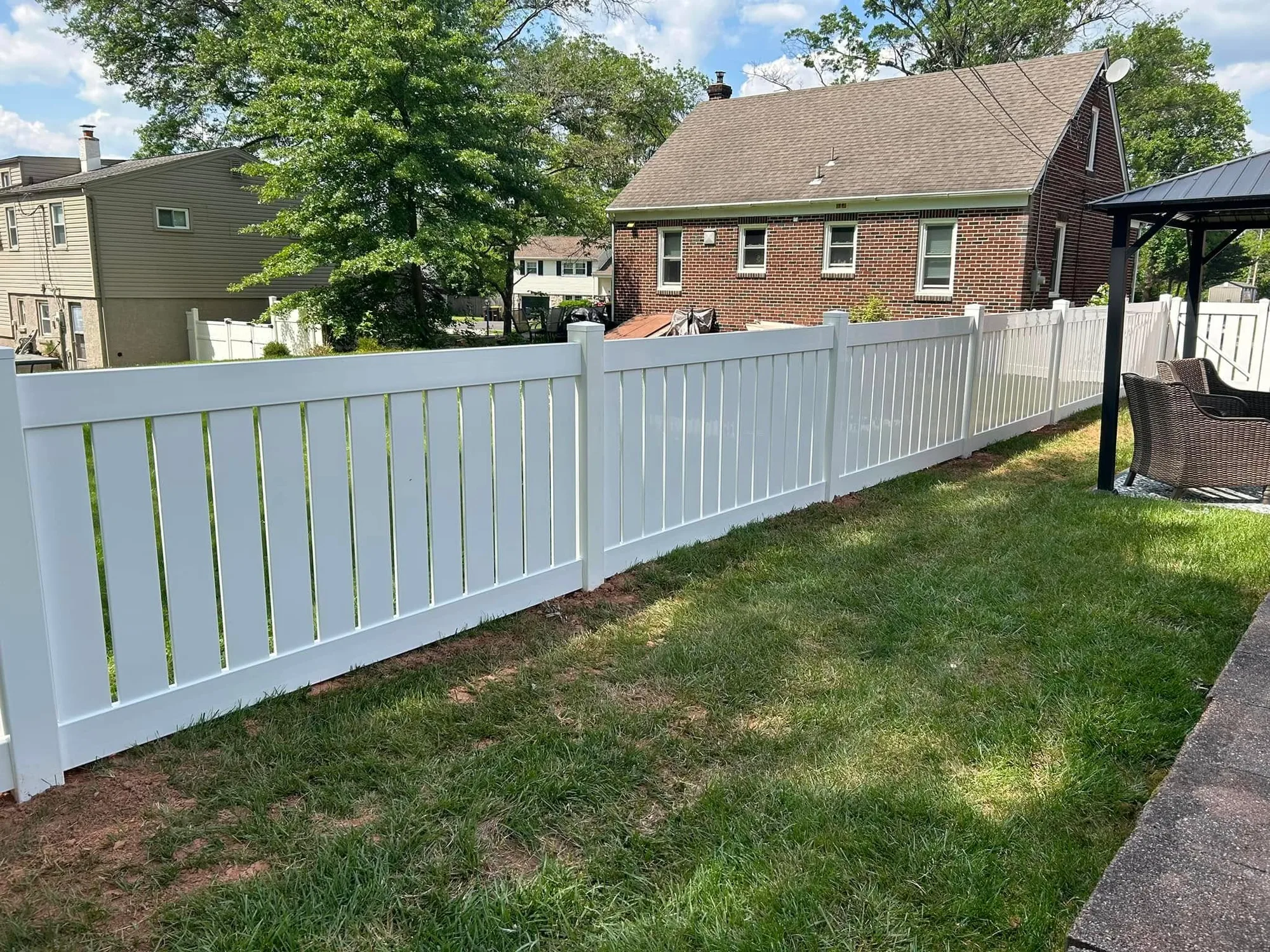
Do not assume that more pressure means better cleaning. A strong spray aimed into panel joints, caps, or damaged areas can force water and debris where you do not want it. If you use powered equipment, follow the fence manufacturer's limits, begin with the gentlest setting and widest practical spray pattern, and keep the nozzle moving. Stop if the surface changes appearance or a component moves.
Removing Mildew, Algae, and Stubborn Marks
Green or dark buildup often appears where a fence stays shaded, receives sprinkler overspray, or sits near dense vegetation. First wash the area with mild soap and water. If a mark remains, use only a product that the vinyl and cleaner manufacturers say is compatible, follow the label exactly, and test it in a hidden spot.
Cleaning the mark is only part of the job. Moisture and limited airflow can allow the same problem to return. The EPA's guide to mold and moisture emphasizes moisture control as the key to controlling mold. Outdoors, that means checking for a misdirected sprinkler, plants pressed against the fence, leaf piles at the bottom rail, or an area that stays wet after the rest of the yard dries.
Do not mix cleaning chemicals. More is not better, and incompatible products can create dangerous fumes or damage nearby plants and finishes. If a stain will not lift with an approved method, ask the fence manufacturer or a qualified fence professional before trying a stronger treatment.
Prevent Common Vinyl Fence Damage
Cleaning improves appearance, but most preventable structural problems come from impact, pressure, or changing conditions around the fence.
Keep vegetation and yard equipment under control
Branches rubbing in the wind can mark panels and post caps. Vines can weave through pickets or collect around rails, making inspection difficult. Keep shrubs and climbing plants from loading the fence, and remove volunteer trees before their trunks or roots push against a post.
Use care with string trimmers, mower decks, wheelbarrows, ladders, and snow-removal tools near the fence. Repeated impacts along the lower rail may leave chips, cracks, or scuffs. Avoid leaning heavy equipment, stacked lumber, soil, or mulch against panels. A vinyl fence is a boundary, not a retaining wall or storage rack.
Watch water movement and soil changes
After a heavy rain, look for standing water, erosion, exposed concrete, or soil building up against the bottom rail. Penn State Extension's residential stormwater resources explain stormwater as a property-wide issue, not simply a wet spot beside one post. Do not redirect runoff toward a neighbor, street, structure, or easement without appropriate local guidance.
A fence may reveal a drainage problem without being the cause of it. If water repeatedly crosses the fence line or washes soil away from posts, have the grading or drainage condition assessed before adding gravel, drains, or fill.
Avoid unauthorized modifications
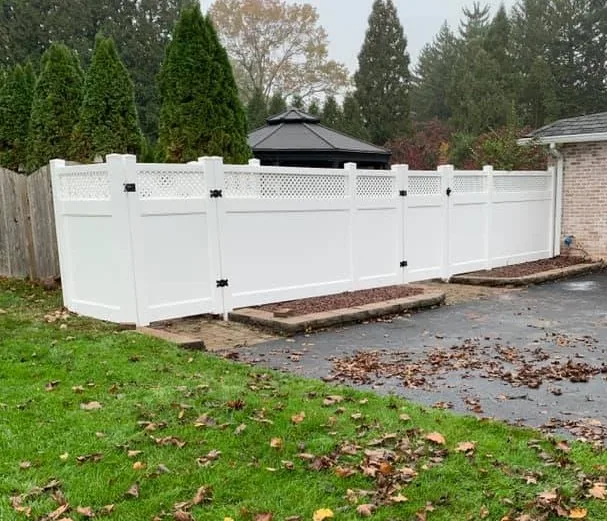
Drilling into a rail, hanging heavy planters, or attaching signs can change how a section carries weight. Do not cut, drill, or fasten accessories until you know how that fence system is built and whether the modification is permitted by its manufacturer. A seemingly small hole can also make later repair or replacement more difficult.
Inspect Posts, Rails, Panels, and Gates
A quick inspection during cleaning gives you a clearer view of the whole system. Walk both sides where access allows and check:
- posts that lean, rotate, or feel loose;
- rails that have shifted out of their post openings;
- cracked pickets, panels, or post caps;
- gaps that have changed since the last inspection;
- gates that drag, swing open, or no longer latch cleanly;
- loose hinge or latch fasteners;
- contact between the fence and branches, roots, stored materials, or landscaping;
- standing water, erosion, or heaved soil around posts.
Open and close every gate several times. Watch the latch side as well as the hinge side. A gate that suddenly drags may need adjustment, but it can also point to a moving post, loose hardware, or ground interference. Do not keep forcing it, since repeated pressure can worsen the alignment.
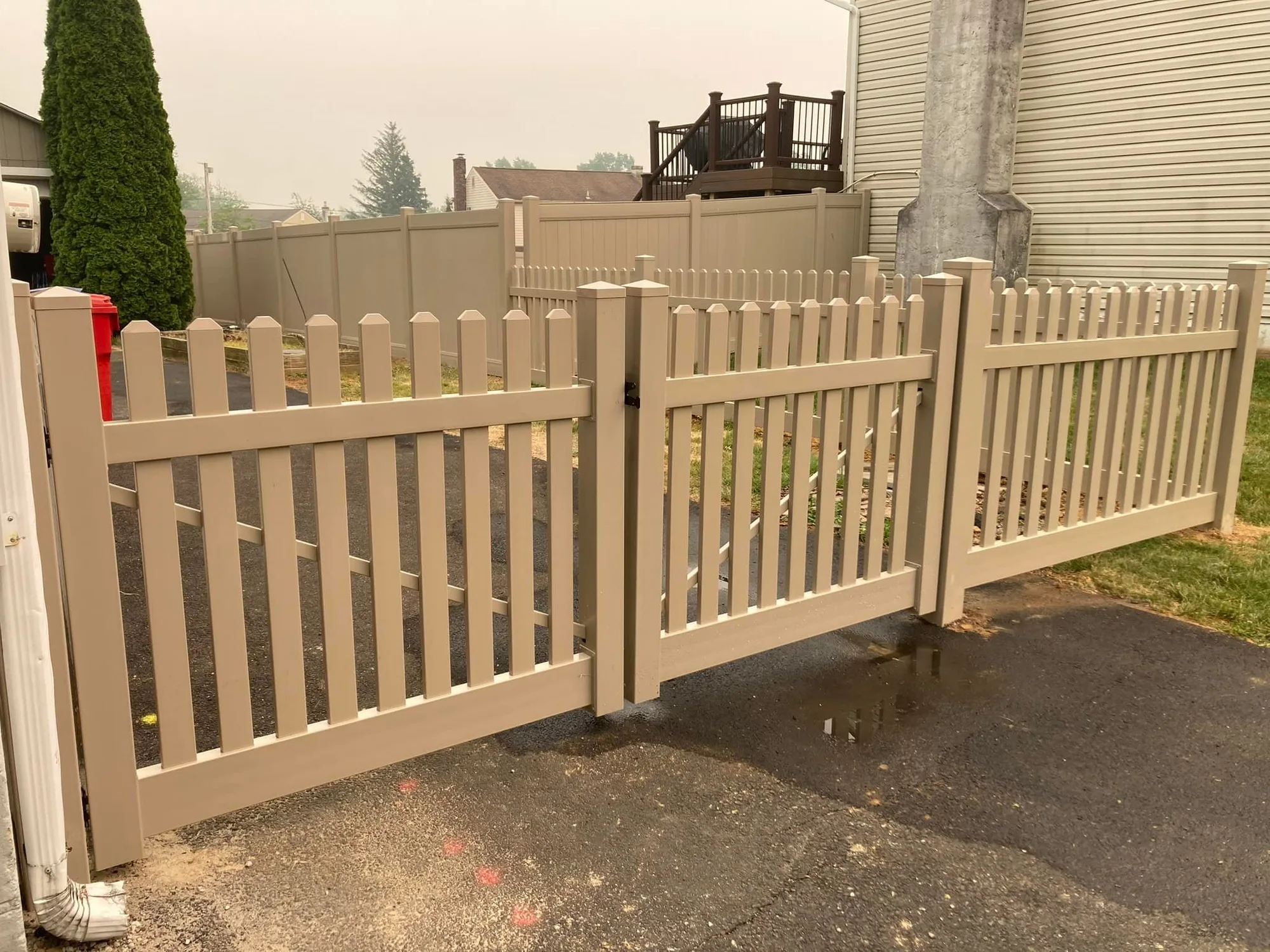
The American Fence Association provides industry education and professional resources. If a post, rail, or gate has moved, a fence professional can evaluate whether the issue is isolated hardware, a replaceable component, or a larger alignment problem.
A Simple Seasonal Maintenance Schedule
You do not need to scrub the entire fence on a rigid timetable. Conditions around the property matter more than the calendar. Use this practical rhythm:
- Spring: rinse away winter grime, inspect for soil movement, and check gates after freeze-thaw weather.
- Summer: remove grass clippings and sprinkler residue, trim vegetation, and check high-use gates.
- Fall: clear leaves from the lower rail and posts, inspect overhanging branches, and use this broader fall fence maintenance checklist.
- After severe weather: look for impact damage, loose caps, shifted panels, leaning posts, and new drainage patterns.
A brief check after mowing, storms, or landscape work can be more useful than waiting for visible damage.
When Cleaning Is Not Enough
Surface dirt, pollen, and light organic buildup are maintenance issues. Cracked panels, displaced rails, loose posts, and gates that will not align are repair questions. Widespread movement or repeated failure may make replacement more practical, but that decision should follow an on-site assessment rather than appearance alone.
Review these signs that a fence may need replacement if several sections are leaning, damaged, or no longer serving their purpose. If you are considering a new layout or material, compare Garrido's vinyl fencing options, browse the main fence types, or learn about the fence installation process.
For early planning, the fence cost calculator can help you organize your project before a property-specific estimate. Garrido Fences serves its verified service area and offers free estimates.
Request a Vinyl Fence Assessment
If your vinyl fence has loose posts, displaced rails, cracked panels, or a gate that no longer works correctly, cleaning alone will not fix the underlying issue. Contact Garrido Fences to request a free estimate for fence installation or replacement options based on the actual condition and layout of your property.