
Homeowners often assume fence installation is strictly a spring-and-summer job and put off calling until the weather warms up. In most of Bucks, Montgomery, and Lehigh County, a late fall or winter project is realistic, but the ground, the schedule, and the day-to-day weather all behave differently than they do in June. Understanding those differences ahead of time helps you decide whether to move forward now or plan for a specific window later in the season.
What Changes About the Ground in Winter
The core challenge with winter fence work is not the cold air, it is frozen soil. Once the ground freezes to any meaningful depth, digging a clean post hole becomes slower and in some conditions impractical with standard equipment. National Weather Service climate normals for the Philadelphia and Mount Holly forecast area, which covers the counties Garrido Fences serves, show January as the coldest month, with an average low temperature of roughly 30 degrees Fahrenheit. That kind of sustained cold is enough to freeze the uppermost layer of soil across the region in a typical winter, though the exact depth and timing vary year to year and with local conditions.
This is directly connected to how deep fence posts need to be set below the frost line in the first place. The same frost depth that determines footing design also determines how hard the ground is to dig through while installing it. A string of mild days can soften the top several inches enough to work through, while a hard freeze can make even a shallow hole slow going.
Scheduling Around Weather Windows
Rather than treating winter as uniformly off-limits, a more accurate way to think about it is that the installation window narrows and becomes less predictable. A mild stretch in late November or a thaw in January can be entirely workable, while a hard freeze or significant snow cover can push a scheduled start back. A few practical effects of this:
- Shorter daylight. Fewer usable hours per day during a crew's visit, compared to a long summer day.
- Less schedule flexibility. A start date may need to shift with only a few days' notice if the forecast changes.
- Concrete curing takes longer in cold temperatures. Footings still need to set up properly before a fence can safely carry wind load or gate weight, and cold weather generally slows that process compared to warm-season curing.
None of this makes a winter project impossible. It does mean building in some flexibility around the exact start and finish dates rather than expecting the same tight timeline you would plan for in May.
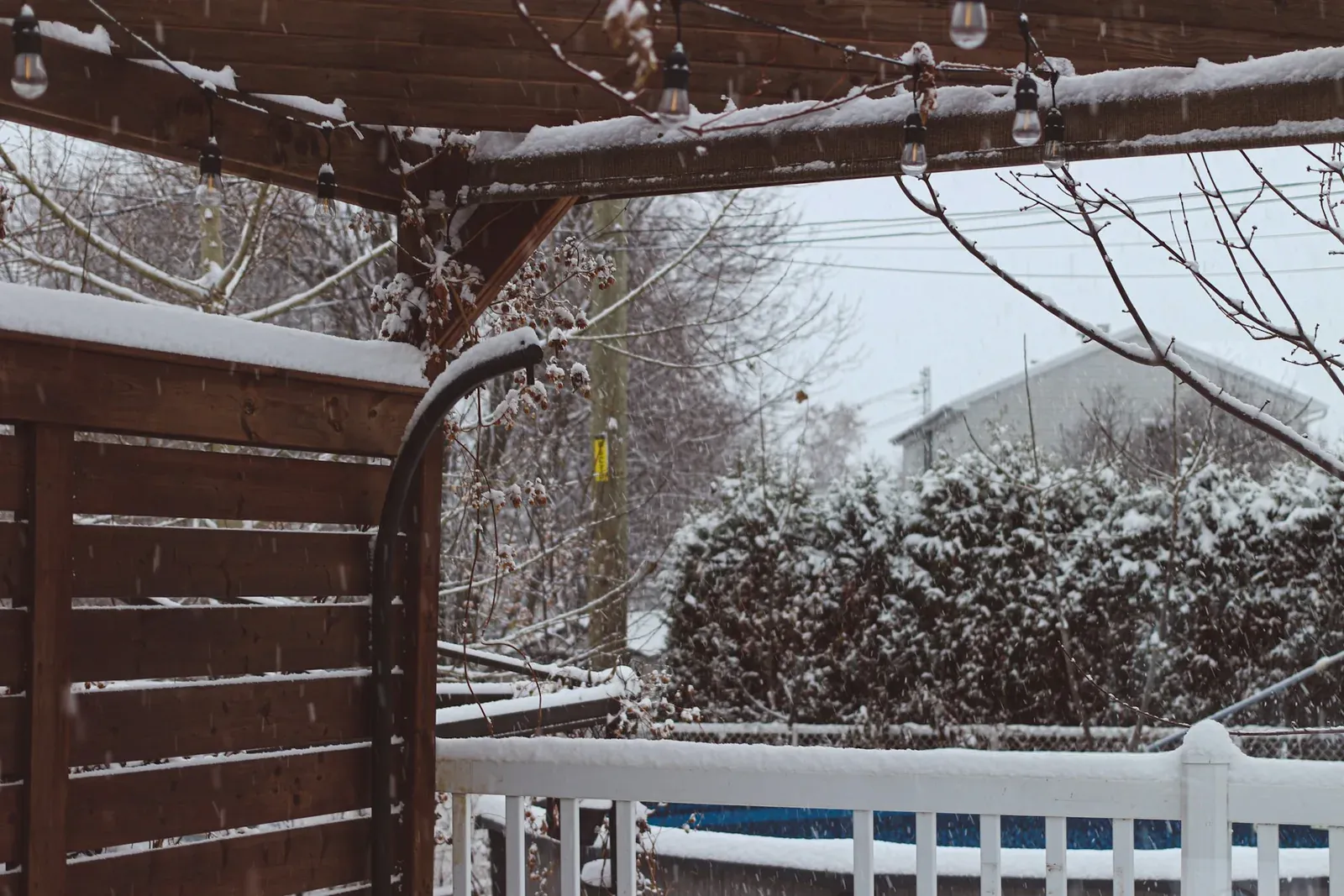
Why Some Homeowners Choose to Install in the Off-Season
There are real advantages to a late fall or winter project that make it worth considering rather than automatically waiting for spring:
- Faster scheduling. Many homeowners plan fence projects for spring, which means installers are often less booked during the colder months.
- Dormant landscaping. Lawns, shrubs, and garden beds are less active in winter, so there is less live landscaping at risk during digging and construction compared to a yard in full summer growth.
- A head start on spring. A fence installed over the winter is already in place and settled by the time spring landscaping, outdoor entertaining, or a pool opening rolls around, rather than competing for a slot during the busiest season.
Before Any Winter Digging: Call 811
Regardless of the season, Pennsylvania law requires anyone digging, including for fence post holes, to contact the state's utility notification system before breaking ground. PA One Call coordinates with utility companies to mark buried lines so that post holes do not strike a gas, electric, or communication line, and that requirement does not pause for winter. If anything, confirming utility locations before a frozen-ground dig is even more important, since marks under snow cover can be harder to see and avoid once work begins.
Worker Safety in Cold Conditions
Winter fence work is also a cold-weather job site, and OSHA's guidance on winter weather covers hazards like exposure, slippery surfaces, and reduced dexterity that affect outdoor construction work generally. A reputable installer plans around these conditions as a normal part of scheduling a winter project, the same way summer heat affects scheduling and pacing during the hottest stretches of July and August.
How Material Choice Factors Into a Winter Install
Fence materials generally handle installation temperatures well, but a few material-specific notes are worth knowing before a winter project:
- Vinyl can become more rigid and slightly more prone to cracking under impact in very cold temperatures compared to a mild day, which mainly affects how carefully panels need to be handled and cut during installation rather than how the finished fence performs once it warms back up. See our vinyl fence maintenance guide for how vinyl holds up across seasons generally.
- Wood installs normally in cold weather, though staining or sealing a new wood fence is usually easier to do well during a warmer, drier stretch rather than immediately after a winter installation, so plan on that as a separate step later if your fence needs it.
- Aluminum and wrought iron are largely unaffected by cold temperatures themselves; the limiting factor for these materials is still the ground conditions for setting posts, not the metal.
None of these points should change which material you choose for your yard. They are simply details your installer accounts for when scheduling and sequencing a cold-weather project.
What to Expect If You Book a Winter Project
If you move forward with a late fall or winter installation, expect the crew and the estimator to talk through a few things that would not come up in June: the current and forecast ground conditions, how a mild or cold stretch could shift your start date, and realistic expectations for how quickly concrete footings will cure before the fence can be used normally. None of this is a reason to avoid a winter project if your timeline calls for one. It is simply a different set of variables to plan around compared to a warm-season install.
When It Makes More Sense to Wait for Spring
A winter project is not the right call for every situation. A few signs that waiting for a milder window makes more sense for your specific project:
- An extended hard freeze is forecast with no mild stretch in sight, which can push digging past what is practical with standard equipment.
- Your project depends on landscaping work happening at the same time, such as grading or planting that itself needs to wait for spring regardless of when the fence goes in.
- You have flexibility and no pressing reason to install now. If there is no deadline driving the timeline, spreading the project out to a more predictable season removes a variable without any real downside.
None of these are reasons a winter fence project cannot work. They are simply situations where the tradeoffs point toward waiting rather than moving ahead immediately. An honest conversation with your installer about current ground conditions and the forecast for your specific timeframe is a better guide than a general rule about what month is acceptable.
Planning a Fence Project for Any Season
Garrido Fences installs wood, vinyl, and aluminum fencing year-round across its service area in Bucks, Montgomery, and Lehigh County, including towns like Lansdale. If your timeline depends on how long fence installation typically takes, factoring in a wider weather window for a winter project is worth discussing directly with your estimator.
Request a Fence Estimate for Any Season
Whether you want to get a fence in before the ground fully freezes or you are planning ahead for a specific winter window, contact Garrido Fences to request a free estimate and talk through scheduling for your project.